Cheap Auction Cars in Kenya: the Complete Buyer's Guide
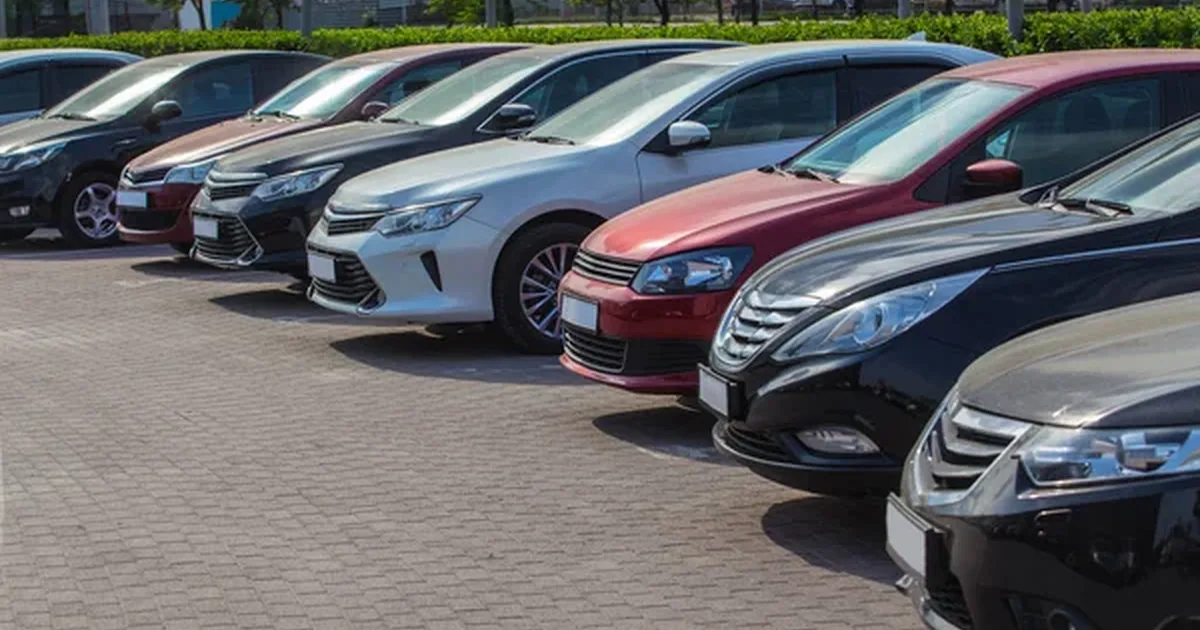
A Toyota Vitz that would sell for KES 850,000 at a Kiambu Road dealership can go for KES 520,000 at a KRA auction. That gap is real, and it's the whole reason auctions exist. But the gap is also where most buyers get burned, because a low hammer price means nothing if the engine is seized or the logbook is missing.
This guide walks you through how to actually win at buying cheap auction cars in Kenya without inheriting someone else's headache. No fluff, just the process, the traps, and the numbers you need to run before you raise your hand.
Where the cheap cars in Kenya actually come from
Cheap auction cars in Kenya don't appear out of nowhere. They come from specific pipelines, and knowing the source tells you a lot about the risk.
KRA and Customs auctions: vehicles abandoned at the port of Mombasa, seized for unpaid duty, or imported and never cleared. Often the cheapest.
Bank and SACCO repossessions: cars taken back from borrowers who defaulted on loans. Usually newer and better maintained.
Insurance salvage: write-offs from accidents. Cheapest of all, but many are only good for parts.
Government and NGO fleet disposals: Land Cruisers, pickups, and vans retired from official use, sometimes with full service history.
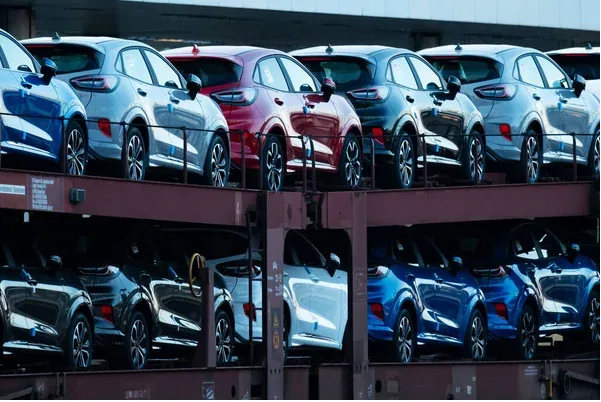
The reason auctioned cars in Kenya carry such attractive prices is that the seller isn't trying to make a profit. A bank just wants its loan money back. KRA wants storage space cleared. That motivation is your advantage as a buyer, but it also means nobody is polishing the car or fixing the small faults before it goes under the hammer. You buy exactly what's in front of you.
Understand the "as-is, where-is" rule before anything else
This single phrase separates people who profit from car auctions in Kenya from people who lose money. Every legitimate auction sells "as-is, where-is." There is no warranty, no return window, no dealer to call when the gearbox slips two weeks later.
That's not a scam; it's the deal. It's precisely why the price is low. But it shifts the entire burden of inspection onto you before you bid, not after. Treat every listing as guilty until proven roadworthy.
How to find genuine auction cars in Kenya
You have three practical routes.
Official notices. KRA publishes auction lists in the Kenya Gazette and on its website. Banks like KCB, Equity, and Co-op advertise repossessed vehicles in the Daily Nation and Standard classifieds, usually on specific weekdays. These are the most legitimate sources of used auction cars in Kenya, and they cost nothing to access.
Licensed auctioneers. Firms such as those registered with the Auctioneers Licensing Board run scheduled sales. Get on their mailing lists. A good auctioneer will let you inspect the yard on viewing days before the sale.
Online platforms. Some auctions now run digitally with photos, reserve prices, and remote bidding. Convenient, but you sacrifice the physical inspection, so be extra careful and only use platforms with a verifiable track record.
A quick warning: if someone on WhatsApp offers you "auction cars in Kenya" at prices that seem impossible, with pressure to send a deposit today, walk away. Real auctions are public, dated events with paper trails.
The inspection checklist that saves you money
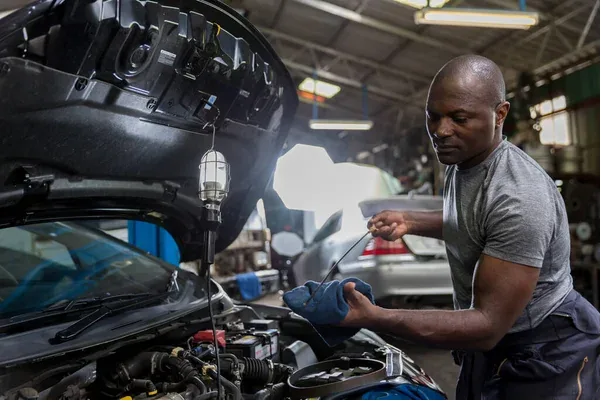
This is where the real work happens. The best auction cars in Kenya are the ones you inspected properly, not the ones with the flashiest photos. On viewing day, bring a mechanic you trust; pay them KES 3,000 to KES 5,000; it's the cheapest insurance you'll ever buy.
Go through this in order:
Engine and transmission. Cold-start it if allowed. Listen for knocking; check for smoke colour (blue means oil burning, white means head gasket). Look under the car for fresh oil leaks.
Body and frame. Look for uneven panel gaps, mismatched paint, and welding marks signs the car was in a serious accident and rebuilt.
Interior and electronics. Test windows, lights, AC, and dashboard warning lights. Water stains on the carpet can mean flood damage.
Mileage vs. condition. A "50,000 km" odometer on a car with a worn steering wheel and bald pedals is lying.
Tyres and undercarriage. Cheap to overlook, expensive to fix. Check for rust on the chassis, especially on coastal-origin vehicles.
Write down every fault. Each one is a number you subtract from your maximum bid.
The paperwork check nobody should skip
A cheap car with a clean logbook is a bargain. A cheap car with title problems is a liability you may never resolve. Before you commit to any of the auctioned cars in Kenya on offer, confirm the documents.
Logbook status: ask the auctioneer whether the vehicle comes with a clear logbook or a transfer process. Repossessed cars usually have clean titles; some seized imports do not.
NTSA records: a quick TIMS check tells you if the car has an active charge, a police flag, or duplicate registration.
Duty status: for port-origin vehicles, confirm whether import duty has been paid or is your responsibility. Unpaid duty can wipe out your entire "saving."
If the auctioneer can't give you straight answers on these, that's your answer. Move on to the next lot.
If you do find a clean car but need to move fast before someone else grabs it, this is exactly the kind of situation Fantom Capital can help with — a quick logbook loan against an asset you already own can free up the cash to secure the deal while you complete due diligence, rather than losing the car to a slower buyer with cash in hand.
Setting your maximum bid (and sticking to it)
Auctions in Kenya are engineered to make you emotional. Two people wanting the same car will bid each other past the point of any real bargain. Decide your ceiling before the sale starts and treat it as a hard wall.
Here's the calculation that keeps you honest. Take the retail price of an equivalent car in good condition. Subtract every repair cost you noted during inspection. Subtract transfer, logbook, and auctioneer's commission (often 3–10%). Subtract a further buffer for the unknowns you couldn't inspect. Whatever's left is your absolute maximum bid on cheap auction cars in Kenya, not a shilling more.
A worked example:
Equivalent retail price: KES 900,000
Estimated repairs: KES 120,000
Commission and transfer: KES 60,000
Unknown-risk buffer: KES 70,000
Your ceiling: KES 650,000
If bidding crosses KES 650,000, you let it go. There's always another auction next week. The buyers who lose money are the ones who "just went a little higher" five times in a row.
The cash problem — and how to solve it
Here's the catch that stops most first-time bidders: auction cars in Kenya demand fast, often full, payment. Win the bid, and you typically have a short window, sometimes 24 to 72 hours, to pay the balance, or you forfeit your deposit and the car goes back to the floor.
That timeline doesn't fit how ordinary buyers save. You might have KES 400,000 ready and need KES 250,000 more within two days. Traditional bank loans can take weeks to approve, far too slow for the auction clock.
This is exactly where a payment bridge matters. Fantom Capital offers financing structured for the speed of car auctions in Kenya, so you can secure a winning bid without draining your savings or losing the car to a slower buyer. Instead of walking away from a genuine bargain because the cash isn't liquid this week, you close the deal on time and repay over a manageable period. Confirming your financing before the sale, not after you've won, turns a stressful scramble into a clean transaction.
Common mistakes that turn a bargain into a loss
Even careful buyers slip up. Watch for these:
Skipping the mechanic to save KES 5,000, then spending KES 200,000 on an engine rebuild.
Falling in love with one lot and blowing past your ceiling in a bidding war.
Ignoring hidden costs: commission, transfer, towing the car home, and immediate repairs all add up.
Trusting online photos alone without a physical or independent inspection.
Assuming all salvage is repairable. Some insurance write-offs are structurally finished and worth only their parts.
The thread running through all of these is the same: the sticker price is never the real price. Budget for the full cost of getting a roadworthy car onto the road, then decide if it's still cheap.
Is buying at auction actually worth it?
For the right buyer, absolutely. If you're patient, willing to inspect properly, and disciplined about your ceiling, used auction cars in Kenya can hand you savings of 25% to 40% over a dealership. That's genuine money, especially on higher-value vehicles like Prados, Harriers, and pickups where the percentage translates into hundreds of thousands of shillings.
But it rewards preparation, not luck. The person who reads the Gazette notice, visits the yard, brings a mechanic, checks the logbook, arranges financing in advance, and sets a firm number that person wins. The person who shows up on sale day hoping for a miracle usually overpays or buys a lemon.
Start with the sources, do the homework, and line up your money before you bid. Get those three right, and cheap auction cars in Kenya stop being a gamble and become one of the smartest ways to buy a car in this country. When you've found the one worth bidding on, talk to Fantom Capital about bridging the payment, so the only thing standing between you and the keys is a raised hand, not a cash-flow problem.